

Quick Answer: Instead of repeating “thank you for reaching out to me,” you can say “thanks for getting in touch,” “I appreciate you contacting me,” “thank you for your message,” or “I appreciate the outreach.” The right choice depends on tone formal emails call for polite phrasing, while casual messages allow friendlier alternatives like “thanks for reaching out!”
Saying “thank you for reaching out to me” over and over can make your emails feel stiff and repetitive. Whether you’re replying to a client, a recruiter, or a coworker, the right words matter they shape how warm, professional, or approachable you sound.
Good email etiquette isn’t about sticking to one phrase. It’s about matching your tone to the moment. A client inquiry needs a different response than a friendly LinkedIn message or a quick customer support reply.
This guide gives you 40+ natural alternatives, grouped by tone and use case, so you always have the right words for professional communication without sounding robotic or repetitive.
COMPARISON TABLE
| Phrase | Tone | Best For | Example |
| Thank you for getting in touch | Formal | Client emails, first replies | “Thank you for getting in touch about your order.” |
| I appreciate you reaching out | Warm | Personal or supportive messages | “I appreciate you reaching out during a busy week.” |
| Thanks for contacting me | Neutral | Customer support | “Thanks for contacting me. I’ll get back to you shortly.” |
| Thank you for your message | Formal | Business email replies | “Thank you for your message. I’ll review it today.” |
| Thanks for reaching out | Casual | Everyday professional chats | “Thanks for reaching out. Happy to help!” |
| I’m glad you reached out | Warm | Someone needing support | “I’m glad you reached out about this concern.” |
| Thank you for connecting with me | Formal | LinkedIn or networking | “Thank you for connecting with me on LinkedIn.” |
| I appreciate the outreach | Formal | Recruiters, partnerships | “I appreciate the outreach regarding this role.” |
| Thanks for checking in | Casual | Follow ups | “Thanks for checking in. Here’s an update.” |
| Thanks for your email | Neutral | Everyday email replies | “Thanks for your email. I’ll respond soon.” |
When to Use These Alternatives (and When Not To)
Use these alternatives when:
- You’re replying to a professional email or business inquiry
- A client, recruiter, or coworker contacts you first
- You want to sound polite without repeating yourself
- You need to match a specific tone: formal, warm, or casual
- You’re responding across different channels like email, LinkedIn, or text
Avoid using these alternatives when:
- The message needs an apology instead of thanks
- The situation is urgent and needs action, not appreciation
- The topic is sensitive and calls for empathy first
Matching tone to context matters most in workplace communication, client emails, and customer support, where the wrong phrase can feel careless or overly casual.
40+ Other Ways to Say “Thank You for Reaching Out to Me”
Formal & Professional Alternatives
Thank you for getting in touch
- Meaning: A polite way to acknowledge that someone contacted you
- Best used when: Replying to business emails or professional inquiries
- Example: “Thank you for getting in touch regarding your request.”
- Why it works: Neutral and safe, fits almost any formal situation
Thank you for your message
- Meaning: Shows appreciation for the content someone sent
- Best used when: Responding to formal business emails
- Example: “Thank you for your message. I’ll review it and respond shortly.”
- Why it works: Clean, professional, and widely accepted in corporate writing
I appreciate you contacting me
- Meaning: A respectful nod to someone who initiated contact
- Best used when: Formal or semi-formal replies to clients or managers
- Example: “I appreciate you contacting me with this request.”
- Why it works: Sounds thoughtful without being overly emotional
Thank you for your inquiry
- Meaning: Acknowledges a specific question or request
- Best used when: Customer service or business development replies
- Example: “Thank you for your inquiry. We’ll respond within 24 hours.”
- Why it works: Standard phrasing in professional correspondence, easy to trust
Thank you for taking the time to reach out
- Meaning: Recognizes the effort someone put into contacting you
- Best used when: Formal replies where you want to show extra respect
- Example: “Thank you for taking the time to reach out to me today.”
- Why it works: Adds weight and sincerity to formal responses
Thank you for initiating contact
- Meaning: A very formal acknowledgment of first communication
- Best used when: Corporate or official email threads
- Example: “Thank you for initiating contact regarding this matter.”
- Why it works: Useful for high formality, but should be used sparingly
I appreciate your interest
- Meaning: Thanks someone for showing interest in a role, service, or offer
- Best used when: Job applications, proposals, or business inquiries
- Example: “I appreciate your interest in this position.”
- Why it works: Common in HR and recruiter replies, sounds respectful and clear
Warm & Personal Alternatives
I appreciate you reaching out
- Meaning: Expresses gratitude with a softer, more personal tone
- Best used when: Replying to friends, close colleagues, or supportive messages
- Example: “I appreciate you reaching out, it means a lot.”
- Why it works: Feels more personal than the standard phrase, without losing politeness
I’m glad you reached out
- Meaning: Shows warmth and openness toward the person contacting you
- Best used when: Someone needed help, support, or reassurance
- Example: “I’m really glad you reached out about this.”
- Why it works: Adds emotional warmth, ideal for supportive conversations
I’m thankful you contacted me
- Meaning: A sincere, heartfelt way to express gratitude
- Best used when: The message carries emotional weight or personal importance
- Example: “I’m thankful you contacted me before making this decision.”
- Why it works: Sounds genuine rather than routine, good for personal tone
Thank you for sharing this with me
- Meaning: Thanks someone for trusting you with information or feelings
- Best used when: Someone shares updates, ideas, or personal news
- Example: “Thank you for sharing this with me, I really appreciate it.”
- Why it works: Focuses on connection rather than formality
Your message means a lot to me
- Meaning: Highlights how much the communication is valued
- Best used when: Personal, encouraging, or supportive messages
- Example: “Your message means a lot to me, thank you for thinking of me.”
- Why it works: Builds rapport and feels sincere in close relationships
I’m grateful for your message
- Meaning: A warm, slightly more emotional way to say thanks
- Best used when: Someone reaches out during a tough or meaningful moment
- Example: “I’m grateful for your message and your support today.”
- Why it works: Suits situations where empathy matters more than formality
Casual & Friendly Alternatives
Thanks for reaching out
- Meaning: A shorter, more relaxed version of the original phrase
- Best used when: Everyday professional chats or quick replies
- Example: “Thanks for reaching out! Happy to help.”
- Why it works: Friendly but still professional, works almost anywhere
Thanks for the message
- Meaning: A simple, easygoing way to acknowledge someone’s text or email
- Best used when: Casual replies to coworkers or acquaintances
- Example: “Thanks for the message, I’ll get back to you soon.”
- Why it works: Quick and natural, doesn’t feel scripted
Good to hear from you
- Meaning: Shows friendly surprise or pleasure at someone contacting you
- Best used when: Reconnecting with someone you haven’t talked to in a while
- Example: “Good to hear from you! It’s been a while.”
- Why it works: Feels conversational, adds a personal touch
Thanks for checking in
- Meaning: Thanks someone for following up or asking how things are going
- Best used when: Casual or semi-professional follow ups
- Example: “Thanks for checking in, here’s a quick update.”
- Why it works: Light and approachable, common in team chats
Appreciate you hitting me up
- Meaning: A very informal way to thank someone for contacting you
- Best used when: Close coworkers, friends, or relaxed team culture
- Example: “Appreciate you hitting me up about this, let’s talk tomorrow.”
- Why it works: Fits casual workplace cultures like startups or creative teams
Thanks for the note
- Meaning: A brief, casual thanks for a short message
- Best used when: Quick replies where formality isn’t needed
- Example: “Thanks for the note, I’ll take a look shortly.”
- Why it works: Simple and efficient, avoids sounding stiff
Business & Client Email Alternatives
Thank you for your inquiry
- Meaning: Acknowledges a client’s question or request professionally
- Best used when: Responding to new client inquiries or business proposals
- Example: “Thank you for your inquiry regarding our services.”
- Why it works: Standard, trusted phrasing in business correspondence
I appreciate you contacting me regarding this matter
- Meaning: A formal way to thank a client for a specific request
- Best used when: Client emails involving contracts, orders, or issues
- Example: “I appreciate you contacting me regarding this matter, I’ll follow up shortly.”
- Why it works: Sounds precise and shows you understood their purpose
Thanks for bringing this to my attention
- Meaning: Thanks a client or coworker for flagging an issue or update
- Best used when: Someone reports a problem, delay, or concern
- Example: “Thanks for bringing this to my attention, I’ll look into it right away.”
- Why it works: Shows responsiveness, common in client relationship management
Thank you for reaching out and letting me know
- Meaning: Thanks someone for both contacting you and sharing information
- Best used when: Updates, notifications, or status changes from clients
- Example: “Thank you for reaching out and letting me know about the delay.”
- Why it works: Covers both appreciation and acknowledgment in one line
I appreciate your patience and for reaching out
- Meaning: Combines gratitude with recognition of the client’s patience
- Best used when: Delayed responses or ongoing client issues
- Example: “I appreciate your patience and for reaching out again on this.”
- Why it works: Smooths over delays while still sounding professional
Thank you for your continued interest
- Meaning: Thanks a client for staying engaged over time
- Best used when: Long term client relationships or repeat inquiries
- Example: “Thank you for your continued interest in our services.”
- Why it works: Builds rapport with returning clients, feels appreciative
Thanks for reaching out to discuss this
- Meaning: Acknowledges the specific purpose behind someone’s contact
- Best used when: Business calls, meetings, or project discussions
- Example: “Thanks for reaching out to discuss this further.”
- Why it works: Purpose driven, sets up a clear next step
I appreciate you taking the time to contact our team
- Meaning: A formal thanks that includes the wider business, not just you
- Best used when: Company wide client communication or support tickets
- Example: “I appreciate you taking the time to contact our team about this.”
- Why it works: Feels professional and represents the business, not just an individual
LinkedIn & Networking Alternatives
Thank you for connecting with me
- Meaning: Acknowledges a new professional connection or networking contact
- Best used when: Accepting or replying to a LinkedIn connection request
- Example: “Thank you for connecting with me, looking forward to staying in touch.”
- Why it works: Standard, relationship-focused wording built for networking platforms
I appreciate you reaching out on LinkedIn
- Meaning: Thanks someone specifically for a LinkedIn message or InMail
- Best used when: Recruiters, potential clients, or industry contacts message first
- Example: “I appreciate you reaching out on LinkedIn about this opportunity.”
- Why it works: Feels platform-specific, shows you noticed the effort
Thanks for the connection request
- Meaning: A brief, friendly nod after accepting someone’s invite
- Best used when: Casual networking or industry peer connections
- Example: “Thanks for the connection request, great to be in your network.”
- Why it works: Light and quick, ideal for LinkedIn’s short message culture
Great to connect with you
- Meaning: A warm, conversational way to open after connecting
- Best used when: Starting a new professional relationship online
- Example: “Great to connect with you, I’ve followed your work for a while.”
- Why it works: Personal touch that stands out in a crowded inbox
Thank you for reaching out about this opportunity
- Meaning: Thanks someone for a specific job, project, or collaboration offer
- Best used when: Recruiter messages or business collaboration requests
- Example: “Thank you for reaching out about this opportunity, I’d love to learn more.”
- Why it works: Shows genuine interest, common in recruiter and hiring replies
I appreciate you thinking of me for this
- Meaning: Thanks someone for considering you specifically
- Best used when: Referrals, recommendations, or role invitations
- Example: “I appreciate you thinking of me for this, thanks for reaching out.”
- Why it works: Personal and flattering without sounding forced
Customer Support Alternatives
Thanks for contacting me
- Meaning: A simple, direct acknowledgment of a support request
- Best used when: First response to a customer query or ticket
- Example: “Thanks for contacting me, I’ll look into this right away.”
- Why it works: Clear and efficient, sets the right tone for support replies
Thank you for reaching out to our support team
- Meaning: Acknowledges contact on behalf of the wider team, not just one person
- Best used when: Company-wide support inboxes or shared ticketing systems
- Example: “Thank you for reaching out to our support team about this issue.”
- Why it works: Feels professional and represents the business consistently
I appreciate you letting us know
- Meaning: Thanks a customer for reporting a problem or giving feedback
- Best used when: Bug reports, complaints, or service issues
- Example: “I appreciate you letting us know, we’re looking into it now.”
- Why it works: Shows the team takes feedback seriously
Thanks for flagging this
- Meaning: A quick, casual thanks for pointing out an issue
- Best used when: Internal or semi-formal support replies
- Example: “Thanks for flagging this, we’ll get it fixed shortly.”
- Why it works: Common in tech and SaaS support tone, feels responsive
Thank you for your patience while we look into this
- Meaning: Combines thanks with reassurance during a delay
- Best used when: Ongoing support tickets or unresolved issues
- Example: “Thank you for your patience while we look into this further.”
- Why it works: Manages expectations while still sounding appreciative
We appreciate you bringing this to our attention
- Meaning: A formal, team-voice way to thank a customer for feedback
- Best used when: Official support responses or escalated complaints
- Example: “We appreciate you bringing this to our attention, and we’re on it.”
- Why it works: Sounds accountable and professional, ideal for brand voice
Scenario-Based Examples (Real-World Situations)
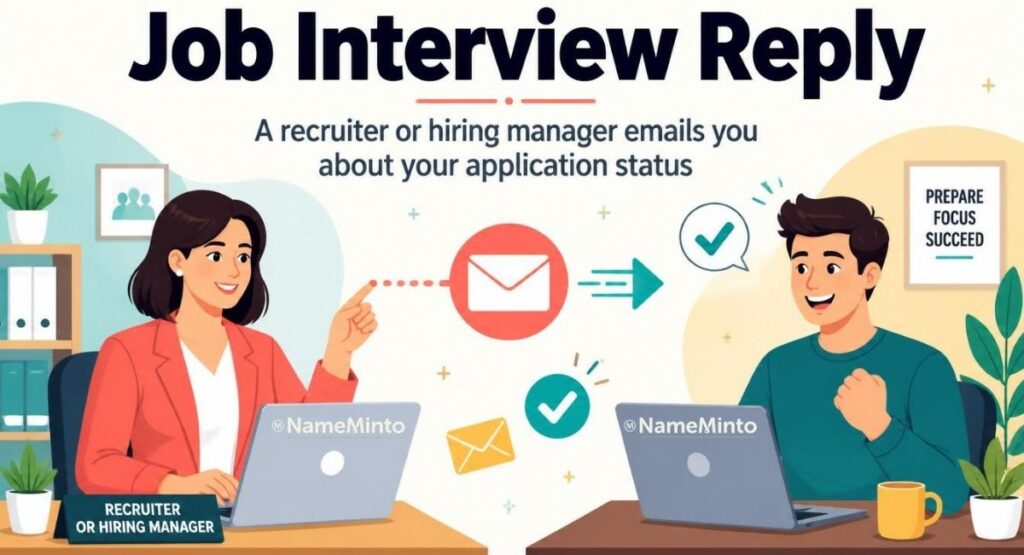
Job Interview Reply
- Scenario: A recruiter or hiring manager emails you about your application status
- Example: “Thank you for reaching out to me about this position, I’m excited to learn more about the next steps.”
- Why it works: Shows enthusiasm and professionalism without sounding scripted
Customer Support / Complaint
- Scenario: A customer contacts you with a problem or complaint
- Example: “Thank you for reaching out to me and explaining the issue, I’ll make sure this gets resolved quickly.”
- Why it works: Acknowledges the problem directly, builds trust before offering a solution
Recruiter / LinkedIn Message
- Scenario: A recruiter messages you on LinkedIn about a new role
- Example: “I appreciate you reaching out to me about this opportunity, I’d love to hear more details.”
- Why it works: Keeps the tone warm and open, encourages the conversation to continue
Networking Email
- Scenario: Someone from your industry emails you to connect or collaborate
- Example: “Thank you for reaching out to me, I’d really enjoy exchanging ideas with you.”
- Why it works: Personal and inviting, ideal for building long-term professional relationships
Sales Inquiry Response
- Scenario: A potential customer asks about your product or service
- Example: “Thank you for reaching out to me about our services, I’d be happy to walk you through the options.”
- Why it works: Balances appreciation with a clear next step, keeps the sales conversation moving
Channel-Specific Guide: Email, LinkedIn, Text & Interviews
- Use full, polished phrasing since email sets a lasting professional record
- Example: “Thank you for reaching out to me, I’ll respond in detail shortly.”
- Best fit: Formal or business alternatives from earlier sections
- Keep it short and relationship-focused, LinkedIn messages are read quickly
- Example: “Thanks for connecting, looking forward to staying in touch.”
- Best fit: LinkedIn & Networking alternatives
Text Message
- Go casual and brief, long formal phrases feel out of place in texts
- Example: “Thanks for reaching out! I’ll call you later today.”
- Best fit: Casual & Friendly alternatives
Interview Follow-Up
- Balance warmth with professionalism, this reply reflects how you communicate on the job
- Example: “Thank you for reaching out to me about this role, I appreciate the update.”
- Best fit: Formal or Business alternatives
Common Mistakes to Avoid
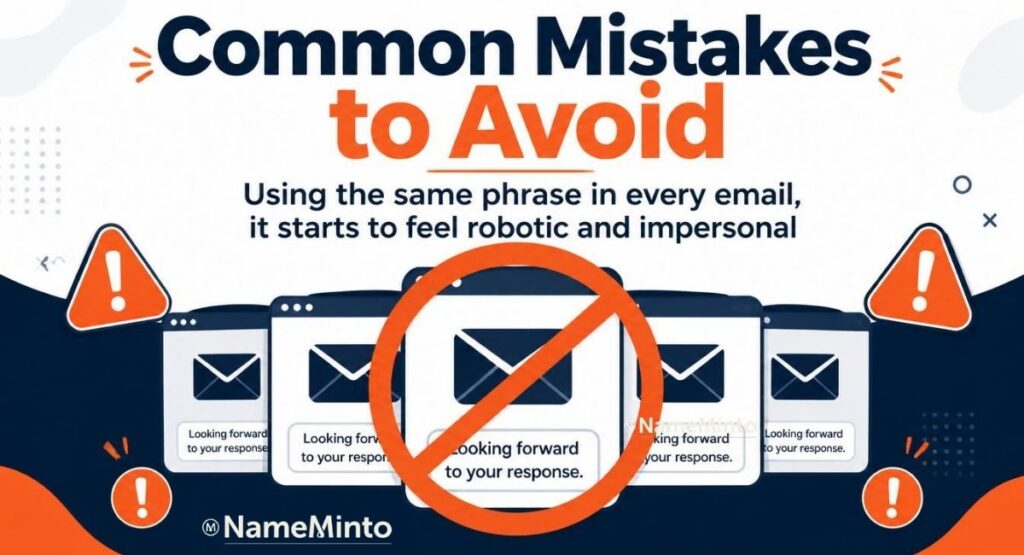
- Using the same phrase in every email, it starts to feel robotic and impersonal
- Being too formal in casual chats, like texting a coworker “I appreciate your outreach”
- Being too casual in client or business emails, it can seem unprofessional
- Adding thanks when the situation actually needs an apology or urgent action
- Overusing long phrases when a short, direct reply would work better
- Ignoring the relationship context, a recruiter and a close coworker need different tones
- Ending the message on gratitude alone without a next step or clear response
Bonus: Short One-Liners for Texts/Slack
- Thanks for reaching out!
- Appreciate the message.
- Got it, thanks!
- Thanks for the ping.
- Good to hear from you.
- Appreciate you checking in.
- Thanks for the heads up.
- Noted, thanks for letting me know.
- Thanks for hitting me up.
- Appreciate the note!
FAQs
Is “thank you for reaching out to me” grammatically correct?
Yes, it’s a grammatically correct and widely used professional phrase.
What’s a more formal way to say “thank you for reaching out to me”?
Try “thank you for your inquiry” or “I appreciate you contacting me.”
What’s a casual way to say “thank you for reaching out to me”?
“Thanks for reaching out!” or “Good to hear from you” work well.
How do you respond to a client who reached out to you?
Acknowledge their message, thank them briefly, and give a clear next step.
Can I use “thanks for reaching out” in a text message?
Yes, it’s short and casual enough for texts or Slack messages.
Is it okay to reuse the same thank you phrase repeatedly?
It’s better to vary it, repeating the same phrase can feel robotic over time.
Conclusion
“Thank you for reaching out to me” is a solid, professional phrase but using the same line for every situation makes your message feel generic. Whether you’re writing a formal email to a client, replying to a recruiter on LinkedIn, or just saying thanks to a coworker on Slack, choosing the right tone makes your communication feel naturally professional and genuine.
Next time someone reaches out to you, pick the best alternative from above based on context and don’t end your reply on gratitude alone. Always add a clear next step or response.
Read Next : 70+ Other Ways to Say “It Was a Pleasure Working With You” (Formal, Casual, Farewell & Email Examples)

Grant Ellison is an English language writer and editor with a passion for making grammar, word meanings, and everyday expressions easy to understand. He researches trusted language references and creates clear, accurate content that helps readers improve their English with confidence.
